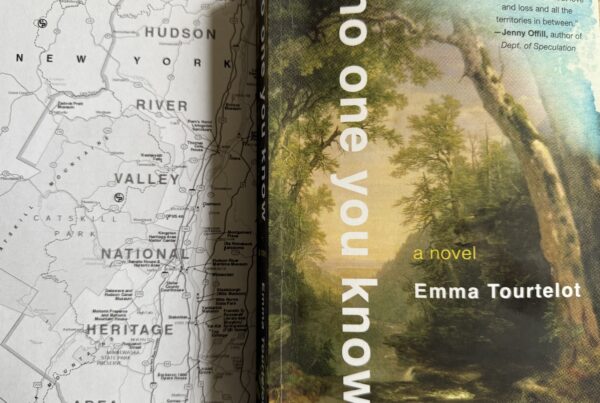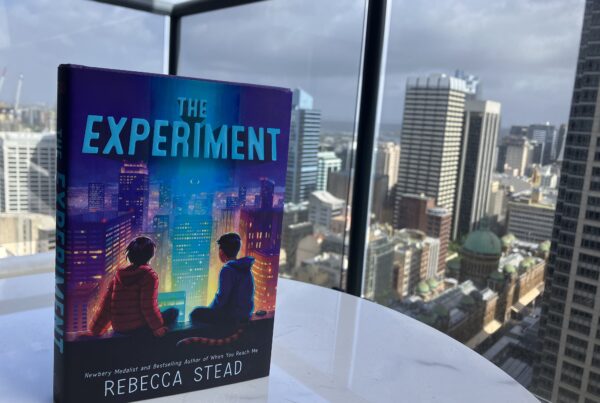

It used to be that climate fiction imagined a ruined world in the comfortably distant apocalyptic future. You know, somebody else’s problem. We were banning aerosol spray and resigning ourselves to recycling. I chose paper not plastic and had a vague hope that the people in charge were figuring shit out. The Parable of the Sower seemed as speculative as Fahrenheit 451. 1984 had come and gone. But even as climate change became a politically polarizing issue, extreme weather, melting ice, increasing greenhouse gasses, and rising global temperatures didn’t give one single fuck about deniers. Science fiction isn’t even fiction anymore. We don’t have to use our imaginations when a quick scroll bombards us with first-hand accounts of fleeing fires, floods, cyclones, and blizzards. On bookclique alone, we reviewed a growing number of books in the category of CliFi (wish I’d coined that, but no): The Overstory, Weather, A Children’s Bible, Birnam Wood, The Bee Sting, The Tusks of Extinction, and Wild, Dark Shore, to name a few. And let me be clear, at the risk of losing all of my bookclique funding (fun fact: it’s already zero), climate change is an intersectional issue that disproportionally impacts those who live in poverty, people of color, women, and all other already-vulnerable communities. As such, it’s not surprising that many CliFi novels that examine human survival also contend with the intertwined themes of class, colonization, and power. What crimes will we commit to feed our children? What are we capable of when pushed to extremes?
Megha Majumdar’s slim, searing new novel, A Guardian and a Thief, takes place in the not-so-distant future in Kolkata, an Indian city devastated by fire, flooding, and famine. Those with means have fled (aside from a charitable billionaire sequestered on a floating hexagon that generates its own atmosphere) while the rest contend with increasingly dire circumstances. In seven days, the middle-class manager of a homeless shelter, Ma; her elderly father, Dadu; and her charming two-year-old daughter, Mishti, their precious visas and passports in hand, will travel as climate refugees to join her scientist husband in Michigan. To Ma, a thief is one who lurks in the night, threatening her family with violence, with exposure. Certainly Ma herself, who has been pilfering food donations from the shelter, is not a thief but the loving guardian of her family, one whose good luck will soon extricate them from disaster and into the air-conditioned largesse of America. And certainly, the young thief, Boomba, who breaks into Ma’s house to steal back the food he spied her taking, and who grabs her purse, pocketing cash and the documents, is the guardian of his own poverty-stricken family.
A Guardian and a Thief unfolds with nail-biting tension over the week that Ma scrambles to rectify the precarious situation, the flight to her new life suddenly out of reach. Meanwhile, Boomba (“Lies activated the menacing truth Boomba now understood, and there was only one, which was, take what you want, or others will take it”), escalates the stakes with demands, threats, and a scheme to attend the billionaire’s feast for children and their guardians. Each individual’s personal catastrophe takes precedent over the public tragedy–one’s own hungry child is more important than other hungry children–and in this way, a moral reckoning is inevitable. In an unsubtle but powerful scene, the billionaire’s helicopter soars above a doomed revolution.
Even sentimental Dadu, who still finds beauty in his suffering city, will perpetrate increasingly violent acts in the name of protecting his family. The brutal equation solved by each unlikeable but deeply sympathetic character is thus: “…Ma looked away from the beggar, toward Mishti, more human than the human before her.” And so Majumdar crafts her grim fable, impossible to put down, impossible to read without recognizing our own complacency and complicity. Yet A Guardian and a Thief, even as it blurs the line between good people and monsters, ends with a flicker of hope, with a hand outstretched.